
Awkward stairs and tight doorways can turn a simple furniture move into the part of the day everyone worries about. Sofas, wardrobes, desks, dining tables and appliances are not always built with narrow halls, sharp corners or steep staircases in mind.
Professional movers reduce that risk through planning, protection and controlled handling. The aim is not to force furniture through a difficult space, but to understand the route, prepare the item properly and move it in a way that protects the home, the furniture and the people doing the lifting.
Why difficult access needs planning before lifting starts
The safest move usually begins before anyone picks anything up. Movers will look at the item, the route through the property and the access outside. They are checking more than whether something looks as though it will fit. They are thinking about angles, weight, grip points, floor surfaces, door swing, stair turns, ceiling height and where the team can pause if needed.
This matters because bulky furniture is rarely difficult for one reason alone. A sofa may fit through the front door but become awkward in a narrow hallway. A wardrobe may be manageable on a straight staircase but harder on a landing with limited turning room. A desk may be light enough to lift, yet difficult to handle because it has no easy place to grip.
Professional teams often measure key points and compare them with the item itself. They may check the width of doorways, the depth of stair treads, the height of handrails and the shape of bends. If a piece can be moved more safely after being dismantled, that can be planned before the main lifting begins.
For homeowners, the useful lesson is simple. Difficult access should be treated as a practical problem, not a test of strength. If you are arranging professional furniture removals, mention narrow stairs, tight doorways, unusual entrances or heavy items as early as possible so the right approach can be planned.
How movers assess the route through a property
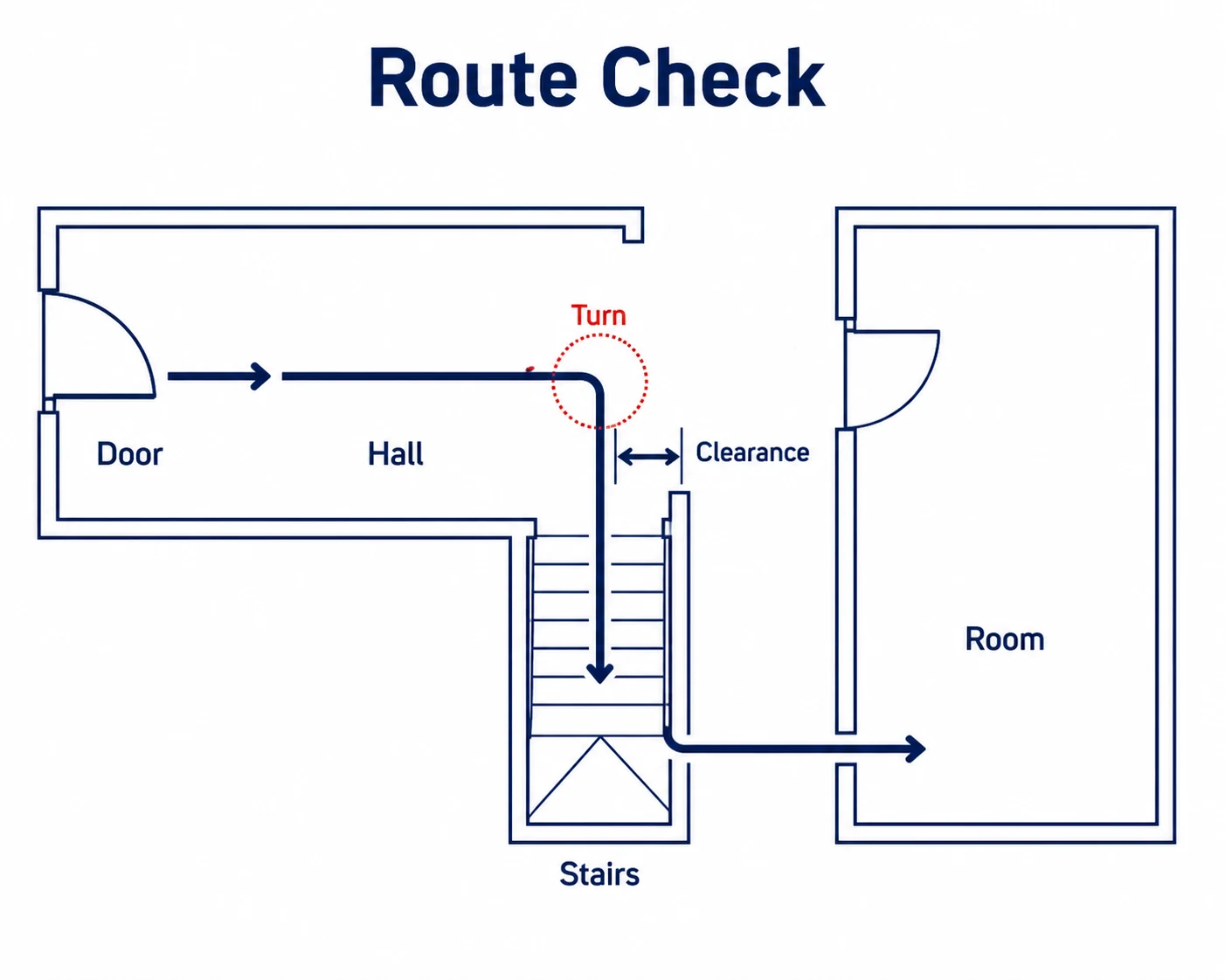
A good access check follows the furniture from its starting point to the vehicle, or from the vehicle to its final room. Movers look for anything that could affect balance, clearance or timing. That may include loose rugs, delicate flooring, low pendant lights, radiators close to corners, shelving near doorways, wall mounted fittings or uneven steps.
Doors may be opened fully, secured or temporarily removed when suitable. Door furniture can sometimes make a surprising difference, especially handles, latches and hinges that reduce usable width. Movers will also think about the direction of travel. Some items are easier to move upright, while others are safer on their side or at a slight angle.
Stairs need particular attention. The team has to consider who leads, who supports, where the weight will shift and how the item will be rotated on landings. A staircase with a turn may require the item to be lifted higher than expected, lowered slightly, or pivoted slowly while one person protects the wall and another controls the base.
Outside access is part of the same picture. Steps, driveways, shared entrances and lift access can all affect how a move is managed. The route should be kept clear, dry where possible and free from last minute clutter. If there are likely to be timing issues on moving day, the guidance in handling unexpected delays during a move can help you think calmly about what to prioritise.
Protecting furniture before it reaches the doorway
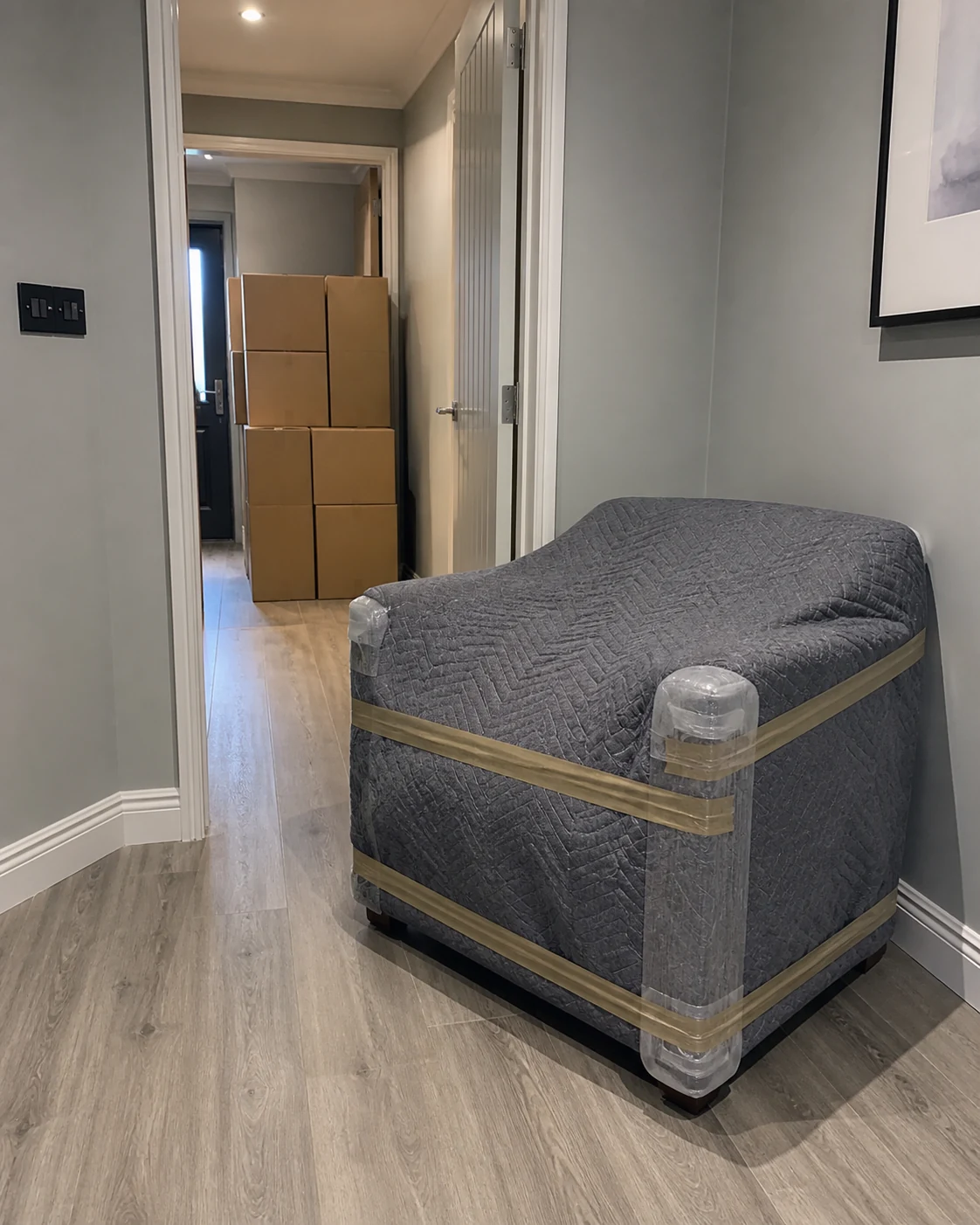
Protection is not something that starts inside the van. It starts before the furniture is moved. Movers will consider which surfaces are vulnerable, which parts are load bearing and which parts should never be used as lifting points. Arms, legs, corners, glass panels, polished tops and loose shelves may need particular care.
Where suitable, items can be wrapped, padded or covered to reduce the chance of scuffs and knocks. Drawers and doors may be secured so they do not swing open while the item is being turned. Removable shelves, cushions, feet, tops or panels can be taken off when that makes the item lighter or gives the movers better control.
Some furniture is awkward because it has an uneven shape. A large chair may have a broad back, narrow legs and curved arms. A cabinet may be heavy at one end. A table may be easy to lift but hard to rotate safely. Professional movers identify these problems before the item reaches the narrowest point, because that is the worst place to discover that a part is loose or an edge is exposed.
It also helps to prepare the contents of the furniture. Empty wardrobes, sideboards, filing cabinets and drawers before moving day unless your removal team has advised otherwise. Packed items inside furniture add weight and can shift suddenly. For smaller possessions that need careful handling, packing fragile items properly is a separate job from protecting the furniture itself.
The lifting techniques used in tight spaces
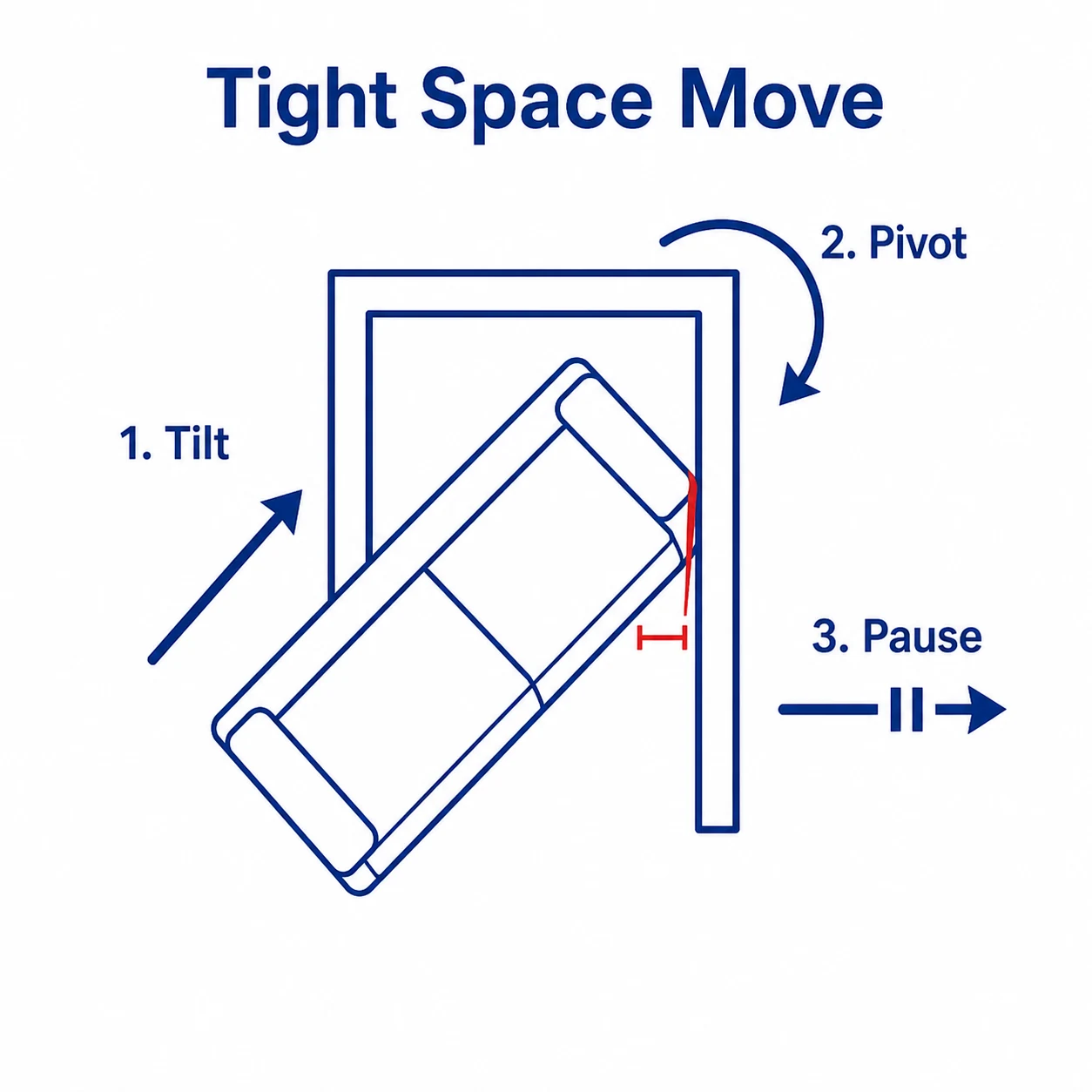
Careful lifting in a tight space is about control, communication and body position. Professional movers do not rely on one big push or pull. They move in stages, using clear instructions so everyone knows when to lift, stop, tilt, lower or rotate.
One common technique is controlled angling. Instead of trying to move a bulky item flat through a doorway, movers may tilt it to use the diagonal space. This can work well for sofas, mattresses, tables and some cabinets, but only when the item remains stable and the team has enough room to control it.
Another approach is pivoting. On stairs or landings, the item may need to turn around a fixed point while the team supports different parts of the weight. This requires patience. The person at the lower end may carry more of the load, while the person above helps guide the angle and prevent contact with walls or rails.
Movers also pay attention to grip. Good grip points make a move steadier, but not every visible edge is safe to hold. Some decorative trims, thin panels or attached legs are not designed to carry weight. When needed, lifting straps, trolleys or other handling aids can help manage awkward loads, although not every tool is suitable for every staircase or surface.
Communication is just as important as strength. A short pause can prevent a scrape. A clear instruction can stop one person turning before the other is ready. Experienced movers know that the slower part of a difficult lift is often the part that keeps everything controlled.
When dismantling is the better choice
Some furniture should not be squeezed through a difficult gap if it can be dismantled safely. Bed frames, large wardrobes, tables, modular sofas, shelving units and some office furniture may move more easily when broken down into manageable sections.
Dismantling can reduce weight, remove fragile projections and make the shape easier to handle. It can also protect joints that might otherwise be strained by twisting or lifting at an awkward angle. The key is to do it methodically. Fixings should be kept together, panels should be protected and any parts that need reassembly should be labelled clearly.
There are also times when dismantling is not the right answer. Some older items, glued joints, delicate finishes or specialist furniture may not respond well to being taken apart. In those cases, the plan may involve extra padding, more movers, a different route or specialist handling.
For large or delicate items, it is worth thinking beyond the doorway. Furniture also needs to be secure during loading, transport and unloading. If an item is travelling a greater distance, the advice in preparing furniture for a longer move gives useful context on wrapping, dismantling and condition checks.
What you can do before the movers arrive
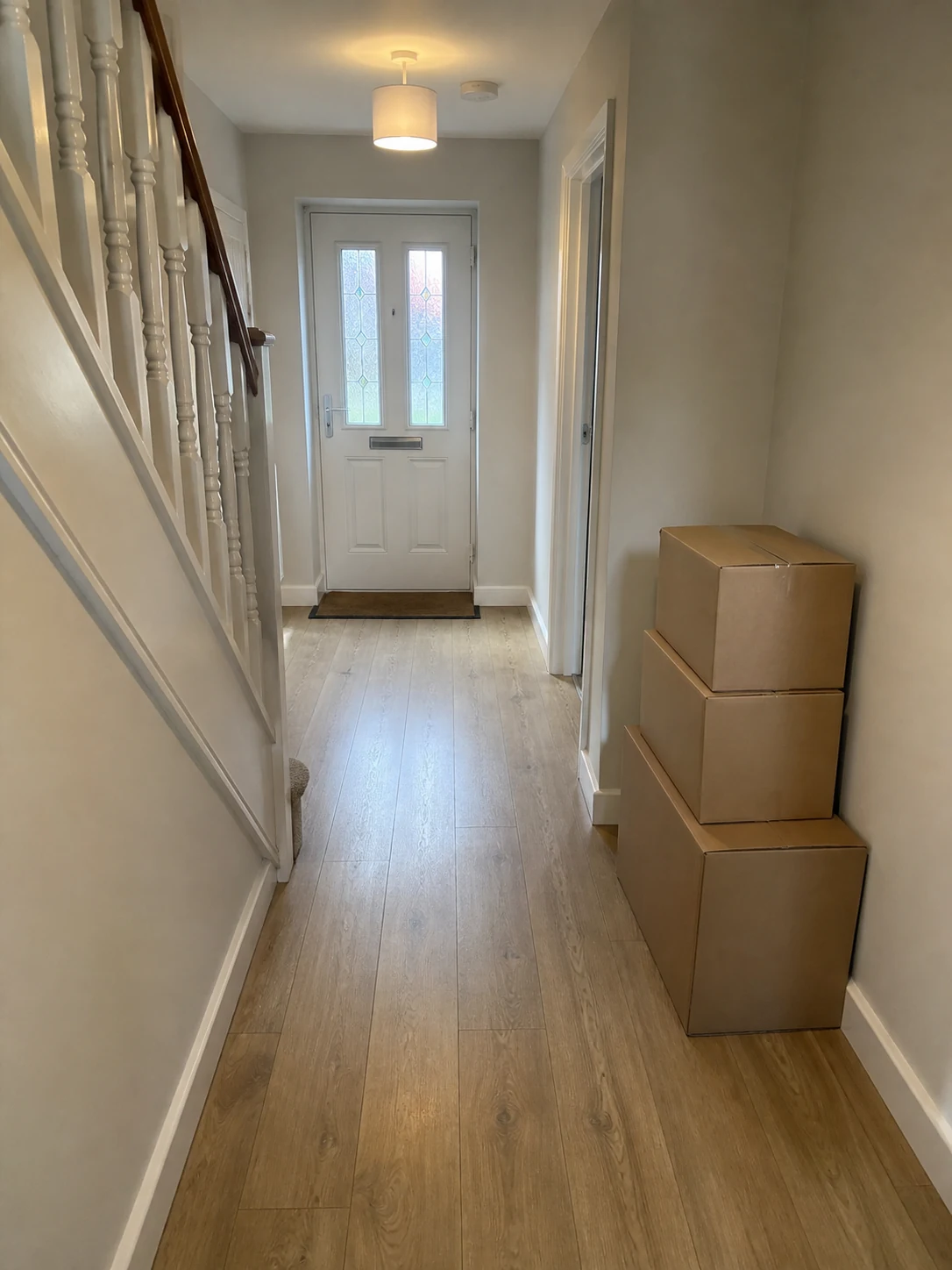
You do not need to solve every access problem yourself, but a little preparation makes the process smoother. Start by walking the route from each room to the exit. Look for items that narrow the route or could be damaged if brushed by furniture. Move shoes, plants, small tables, lamps, toys and loose mats out of the way.
If possible, clear parking or loading access in advance. Make sure doors can open fully and that keys are available for gates, communal entrances, storage areas or internal rooms. If any furniture has a known issue, such as a loose leg, cracked panel or delicate finish, tell the team before it is lifted.
It is also helpful to decide where items are going in the new property. When movers know the final room, they can often choose the best route and orientation from the start. This reduces repeated handling and avoids moving the same heavy item twice.
Finally, be honest about the difficult bits. A tight turn at the top of the stairs, a door that only opens halfway or a sofa that was difficult to get in originally is useful information. Professional movers would rather know early than discover it while carrying the item. Good preparation gives them the chance to choose the right plan, the right protection and the right number of hands.
- Difficult stairs and doorways are best managed through access checks before lifting begins.
- Professional movers consider angles, weight, grip points, floor protection and safe pauses along the route.
- Furniture may be wrapped, padded, secured or dismantled before it reaches the tightest space.
- Controlled lifting, clear communication and steady pivoting reduce the risk of damage.
- Homeowners can help by clearing routes, sharing access details and flagging known furniture issues early.
Frequently asked questions
Can movers get large furniture through narrow doorways?
Often, yes. Movers will assess the item and doorway, then decide whether it can be angled, lifted, turned or dismantled safely. If a route is not suitable, they can usually advise on the most practical alternative.
Should I dismantle furniture before moving day?
If you are confident and have the right tools, dismantling simple items can help. For large, valuable or complex furniture, it is better to ask your removals team for advice so parts are removed and protected properly.
How do movers protect walls and door frames?
They plan the route, control the speed of the lift, use padding where suitable and communicate carefully through tight points. Clearing the route before they arrive also reduces the chance of accidental contact.
What should I tell movers before they handle awkward furniture?
Mention narrow stairs, tight landings, restricted doorways, heavy items, delicate finishes, loose parts and anything that was difficult when the furniture was first brought into the property.
Planning a careful furniture move?
Parkers Removals can help you move bulky, awkward and valuable furniture with care, planning and practical handling from start to finish.