
Yes, a removal company can move just a few items locally. You do not always need a full house move to get professional help, especially when the items are heavy, awkward, fragile or simply difficult to fit in your own vehicle.
Small removals are useful for boxes, furniture, loose belongings, single items and partial loads. The key is giving the remover clear information, so they can plan access, loading, protection and timing properly.
What counts as a small local removal?
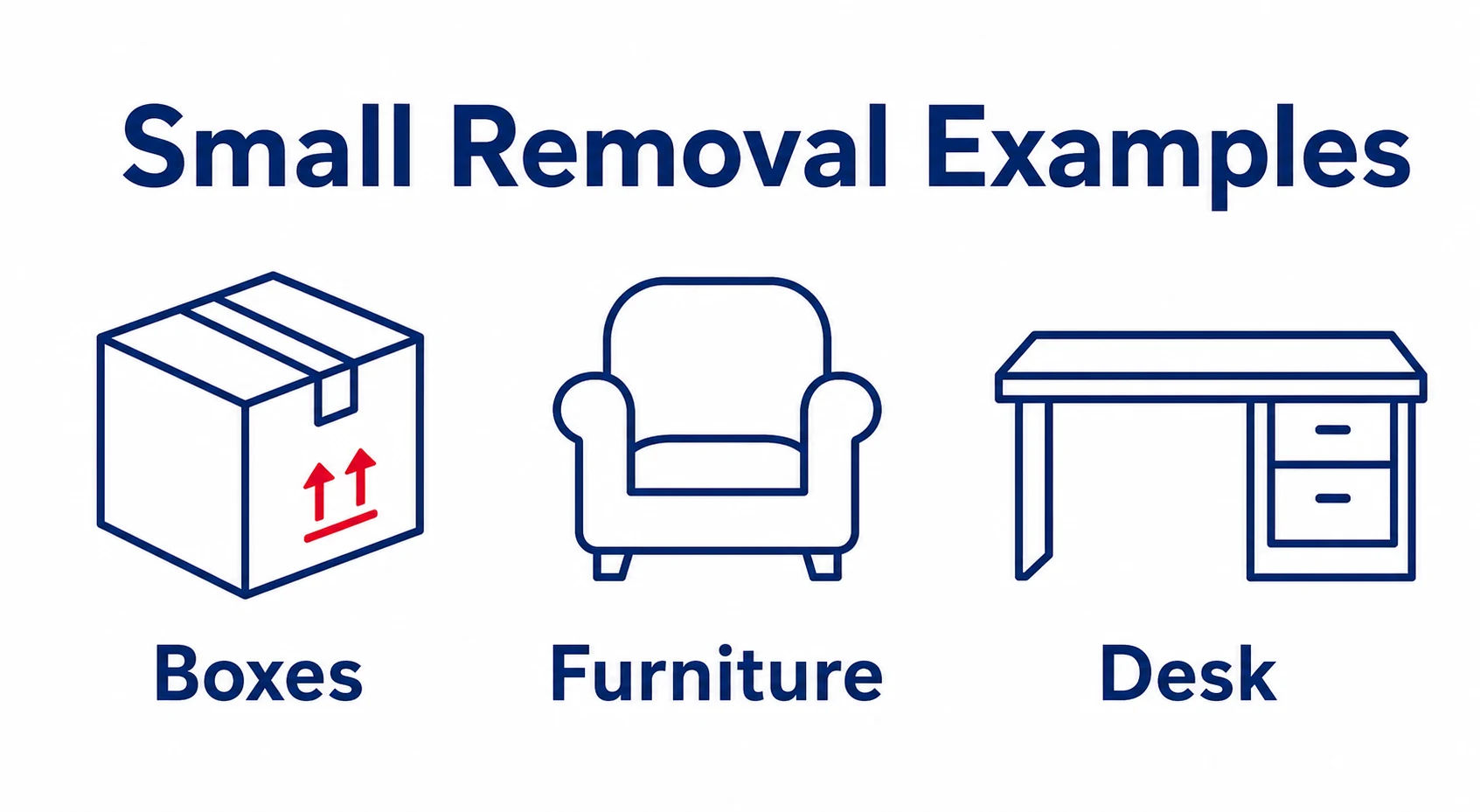
A small local removal is any move where you only need part of a property, office or storage space moved. It might be a handful of boxes, a sofa, a bed frame, several chairs, a desk, appliances, student belongings, archived documents or items going into storage.
It can also cover situations where the move is between family homes, between a property and a storage unit, or from one room to another address. The job may be compact, but it still benefits from the same planning principles as a larger move.
This is where a professional bits and small removals service can help. Rather than treating the job as too minor, a mover can assess what needs lifting, how it should be protected, and what vehicle space is needed.
Small removals are especially useful when the item is too bulky for a car, too valuable to risk damage, or too heavy to move safely without proper handling. Even a short journey can cause scuffs, dents or strain if belongings are not lifted, secured and transported correctly.
How small load removals usually work
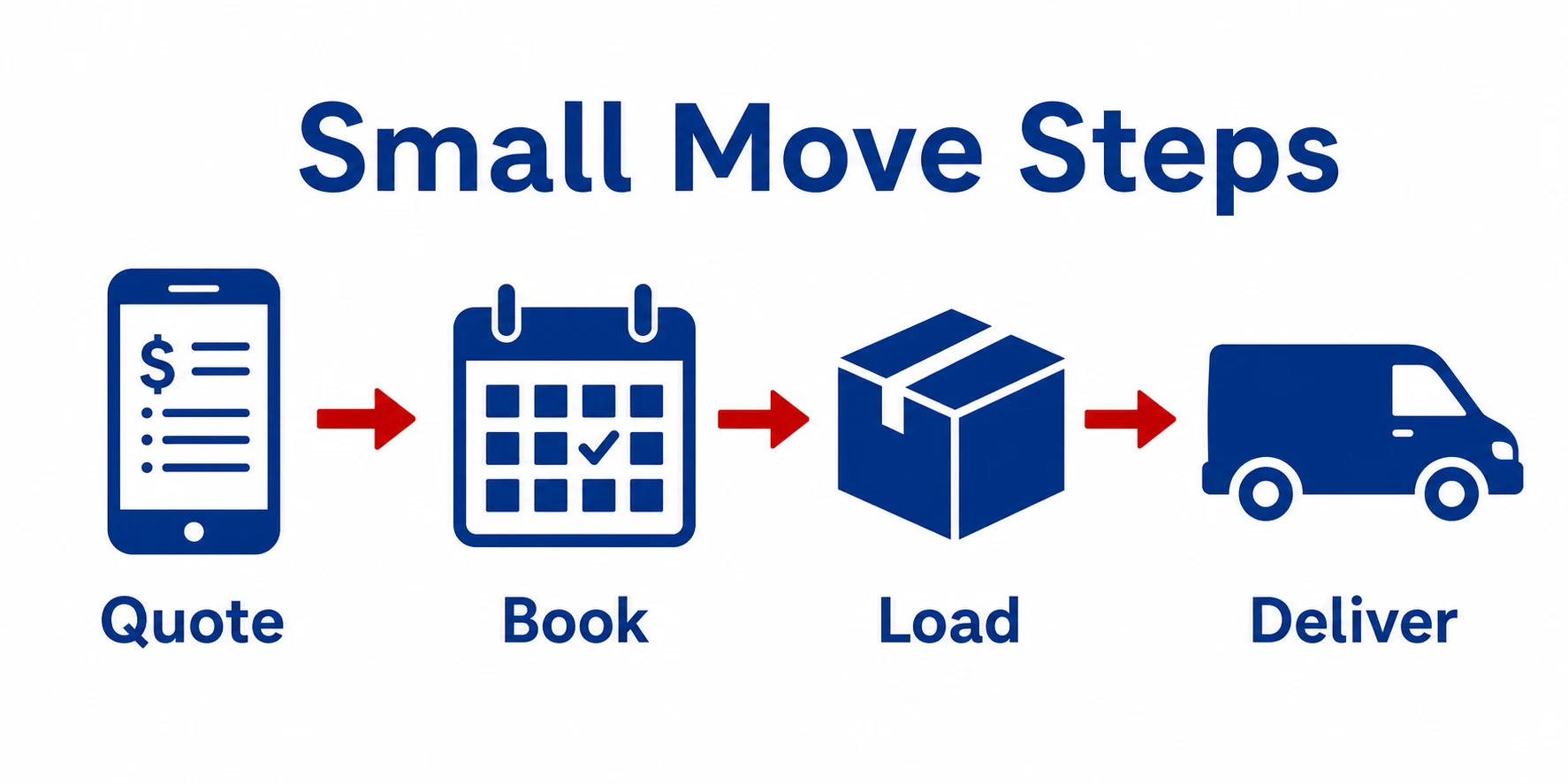
The process normally starts with a simple description of what needs moving. A removal company may ask for the number of items, approximate sizes, whether anything needs dismantling, the collection and delivery access, and whether there are stairs, lifts, narrow hallways or parking restrictions.
For a small move, the list does not need to be complicated, but it should be accurate. Saying two boxes and a chair is very different from two large wardrobes, a filing cabinet and a glass table. The more detail you give, the easier it is for the team to bring the right equipment and allow suitable time.
On the day, the movers will usually check the items, protect what needs protection, plan the safest route out of the property, load the vehicle carefully and secure everything for the journey. At the delivery point, they will place the items where agreed, subject to safe access.
If your move includes just one awkward or valuable item, it may be better suited to single item removals. This can be a practical choice for furniture, appliances, musical instruments or bulky pieces that need more than casual lifting.
What to tell the removal company before booking
Good information helps a small removal run smoothly. You do not need technical measurements for every box, but you should explain anything that could affect access, lifting or vehicle loading.
Useful details include:
- What each item is, including anything fragile, heavy or awkwardly shaped.
- Whether furniture comes apart or must be moved in one piece.
- Whether the items are boxed, wrapped, loose or already in storage.
- How close a vehicle can park at collection and delivery.
- Whether there are stairs, tight turns, lifts, shared entrances or access codes.
- Whether the items need placing in a specific room at the destination.
If you are unsure whether something needs dismantling, say so. A removal company can then advise whether it should be taken apart beforehand or handled as it is. This avoids surprises when the team arrives.
It also helps to mention if timing is important, such as collecting from a property with limited access or delivering to a building with managed entry. Small loads can be straightforward, but access rules still matter.
Packing and protection for a few items
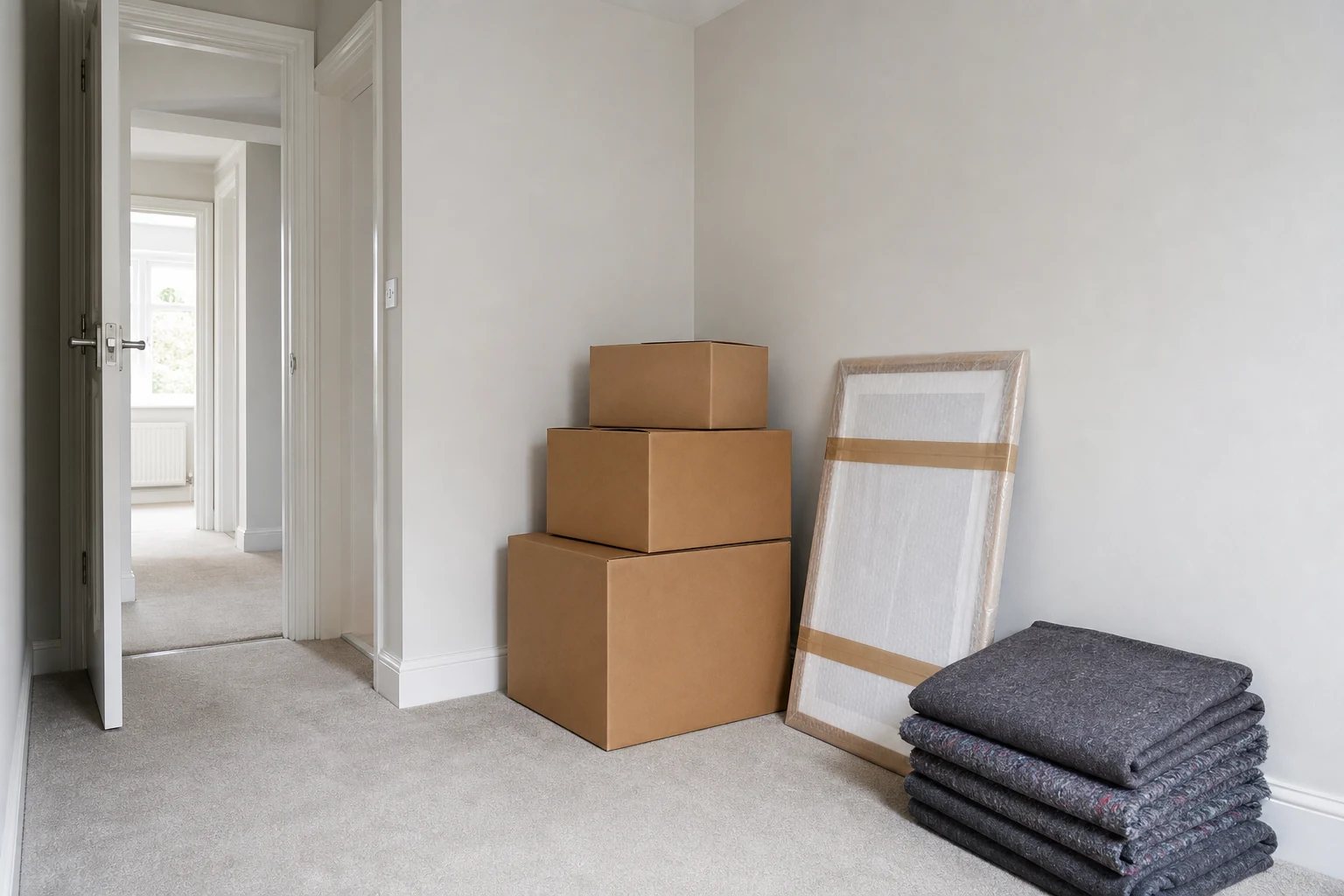
Small does not mean casual. A single fragile item can need more care than a large stack of sturdy boxes. The right protection depends on what is being moved, how far it is travelling and how it will be loaded alongside other items.
For boxed belongings, use strong boxes that close properly. Avoid overfilling them, especially with books, files or tools. Label fragile contents clearly and keep liquids, sharp objects and loose hardware separate. If you have mixed household items, grouping similar things together makes unloading easier.
Furniture may need blankets, covers or careful wrapping to protect surfaces and corners. Glass, mirrors, artwork and delicate objects should be flagged in advance. If you are moving items that need extra care, it is worth reviewing practical advice on packing fragile items for moving before the day.
Loose items are often where small moves become untidy. Bags, lamps, cables, small appliances and open containers can take longer to carry and are easier to damage. Where possible, box or contain smaller belongings before collection. If something cannot be boxed, point it out when booking so suitable handling can be planned.
Access, loading and safety considerations

Access is one of the biggest factors in any removal, even a small one. A short list of items can still require careful handling if there is a narrow staircase, a tight doorway, a long walk from the vehicle or limited parking outside.
Before moving day, clear the route from the items to the exit. Move small obstacles, roll up loose rugs if safe to do so, and make sure doors can open fully. If the items are in a flat, office or storage facility, check whether there are lift rules, loading bays, entry codes or time restrictions.
Loading is also important. Professional movers think about weight distribution, how items are stacked, and what should not sit against what. Heavy items need to be secure. Fragile items need to avoid pressure. Furniture should be placed so it does not shift during the journey.
Safety matters for the customer as well as the items. Large furniture, appliances and heavy boxes can cause injury if lifted without the right technique or enough people. Using a removal company means the job is handled with suitable lifting methods, equipment and planning.
When a small removal is better than doing it yourself
Many people consider moving a few items themselves because the job looks manageable at first. That can work for light, compact belongings. It becomes less sensible when the items are heavy, valuable, delicate, awkward or too large for normal transport.
A professional small removal is often the better choice when you need to protect a rented property, avoid damage to doorways, move items from an upper floor, collect from a seller, deliver furniture to family, clear part of a room, move office equipment, or transfer belongings into storage.
It can also save repeated journeys. A few bulky items may take several car trips, while a removal vehicle can usually keep the load together and better secured. That means less handling, clearer organisation and a more controlled move.
If your small move is part of a wider plan, such as preparing a property, clearing space or moving in stages, you may also find broader house move preparation tips useful. Even when you are only moving a partial load, the same ideas apply: plan early, pack clearly and keep access simple.
- Removal companies can handle small local moves, including boxes, furniture, loose items and partial loads.
- Clear details about item size, access, stairs, parking and fragility help the team plan properly.
- Small removals still need careful packing, loading and protection, especially for fragile or heavy items.
- Professional help is useful when an item is awkward, valuable, difficult to lift or unsuitable for a car.
Frequently asked questions
Can I book a removal company for only one or two items?
Yes. Many removal companies can help with one or two items, provided they have the details needed to plan safe lifting, loading and delivery.
Do I need to pack everything for a small removal?
Boxing smaller belongings is usually best, as it keeps the move organised and protects loose items. Large furniture, fragile pieces and awkward items may need specialist wrapping or handling.
Will movers take items upstairs or into a specific room?
In many cases, yes, as long as access is safe and practical. Tell the company about stairs, tight turns and room placement before booking so they can plan the job properly.
Is a small removal suitable for storage moves?
Yes. Small removals can work well for taking boxes, furniture, seasonal items or part loads into or out of storage, especially when you want the items loaded securely and handled with care.
Need help with a small move?
If you only have a few items to move, Parkers Removals can help you plan the right level of support without turning it into a full house move. Share what needs moving, where it is going and any access details, and the team can guide you from there.